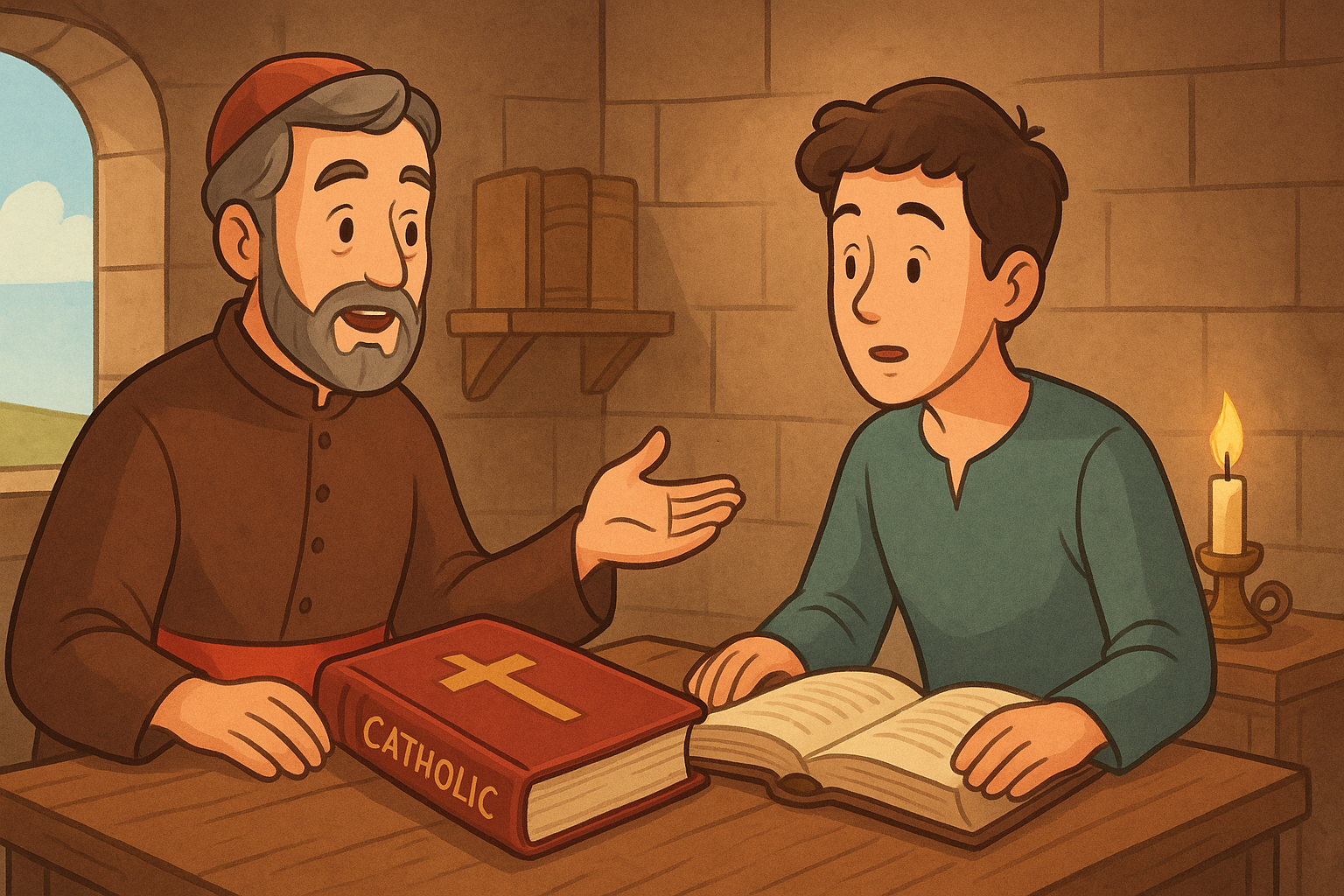
Catholics use a Bible that is distinct in its composition and history. The Catholic Bible contains 73 books. The Old Testament includes books that Protestants do not use. In addition to those found in other Christian Bibles, the Catholic Bible contains extra writings known as the deuterocanonical books. These texts have long been recognized by the Catholic Church as sacred and authoritative.
Understanding the Catholic Canon
The Bible used by Catholics encompasses both the Old and New Testaments. The Old Testament contains more books than the Hebrew Bible used by Jews and the Protestant Bible. The extra books are sometimes referred to as the deuterocanonical books and include texts such as Tobit, Judith, Wisdom, Sirach, Baruch and additions to Esther and Daniel. The New Testament remains the same as that used by all Christian groups. The arrangement of these books and the inclusion of these additional writings represent a tradition that has been handed down over many centuries.
The acceptance of these extra books came through a long process. The Catholic Church has used these texts for worship and teaching leading to the formal recognition of this canon during important church councils held in history. This canon forms a central part of Catholic theology and practice, and it influences the way Scripture is interpreted in Catholic teaching and liturgy.
The Role of the Deuterocanonical Books
The deuterocanonical books have a unique place in Catholic tradition. They contain stories, prayers and wisdom literature that enrich the biblical narrative. For example, books such as Wisdom and Sirach contain teachings about the nature of God and the right way to live a virtuous life. Other texts such as Tobit and Judith offer narratives that illustrate faithful experience and God s intervention in human history.
Catholics view these books as inspired by God and worthy of study and reflection. Their inclusion in the Bible supports a broader understanding of salvation history. While many Protestant traditions refer to these writings as apocryphal, Catholics have maintained a strong connection to these texts because they have been used in liturgy and catechesis for centuries.
Translations Commonly Used by Catholics
There are a number of translations that Catholics use for study, prayer and worship. In the United States many parishes and study groups rely on the New American Bible Revised Edition. This translation was commissioned by the United States Conference of Catholic Bishops and is written using contemporary language that is accessible yet faithful to the ancient texts.
Other translations are also popular within the Catholic community. The Revised Standard Version Catholic Edition presents a scholarly approach that many find helpful for deeper study. In addition the Jerusalem Bible has enjoyed wide acceptance in Europe and other parts of the world. Each of these translations seeks to remain true to the traditional text while making the message of the Scripture clear and understandable for modern readers.
The History Behind the Catholic Bible
The history of the Catholic Bible goes back to the early centuries of Christianity. From the earliest times Christians relied on the Scriptures available in the languages of the period. The process of developing a common canon took many decades and involved discussions and debates among church leaders. The councils that played a key role in establishing the canon also sought to protect the tradition that had been passed down through generations.
One of the turning points in the history of the Catholic Bible occurred in the sixteenth century when the Protestant Reformation led to significant changes across the Christian world. Protestants chose a smaller set of books while the Catholic Church affirmed its traditional canon. It was during this period that the Catholic Church reaffirmed the legitimacy of the deuterocanonical books and their role in the life of the faithful. This reaffirmation served to protect the unique character of the Catholic Bible.
How the Catholic Bible Functions in Liturgy and Teaching
The Bible is at the heart of Catholic worship and is read at every Mass. The readings used during the celebration of the Eucharist come from both the Old and the New Testaments. Liturgical use of the Bible helps to form the basis of Catholic community life and fosters a deep connection between Scripture and the liturgy.
Catholic teaching holds that Scripture and Tradition work together to reveal the truth about God and salvation. This means that the Bible must be read alongside the teachings of the Church. Explanations and interpretations are provided by centuries of theological scholarship and the teachings of the Magisterium. The Bible used by Catholics thus serves as a foundational text that, when combined with Tradition, offers insight into the mystery of faith.
For those who wish to learn more about the connection between Scripture and everyday practice within the Church, you may find further reflections at this resource very helpful.
Comparing the Catholic Bible to Other Bible Traditions
When one examines the Bible used by Catholics and compares it with those used in other traditions, certain differences become evident. Protestant versions of the Bible typically include 66 books. The absence of the deuterocanonical books is one of the primary differences. Despite this difference, both traditions share the same New Testament writings, which speak to the life and teachings of Jesus and provide the foundation for the Christian faith.
Among the differences in translation and textual tradition many Catholics rely on the New American Bible Revised Edition for its clarity and liturgical use. Other translations list above are also available for private study and scholarly work. In Europe and Latin America, regional translations and editions have also found a wide audience among the faithful. The existence of several translations reflects the ongoing need to make ancient texts speak to people today while upholding the tradition that has sustained the Church throughout the centuries.
The Influence of Church Councils on the Bible Canon
The Catholic Bible did not materialize overnight. It was shaped through deliberation in large councils where bishops and thinkers discussed which writings should be included. These councils examined the texts that had been used in the liturgy and considered the connections that various writings had with the apostolic tradition. The result was a canon that the Catholic Church holds as sacred.
It is important to remember that the process of forming a definitive Bible was gradual. Early church fathers referred to many texts as sacred. Over time some texts were recognized for their historical reliability and spiritual depth. The decisions made at councils were based on a combination of scriptural testimony and oral tradition. For Catholics the resulting Bible is not just a book; it is part of a larger tradition that includes beliefs, rituals and teachings that have been handed down from the early Church.
Scripture as a Living Word
For Catholics the Bible is not a static text but a living word. Whether read in individual reflection or encountered during a communal celebration of the Eucharist, Scripture is a source of inspiration and guidance. The Bible invites readers to encounter the love of God and to understand the call to follow Jesus. The inclusion of the deuterocanonical books enriches this encounter by providing additional layers of meaning and historical context.
Jesus himself often referred to the Scriptures during his life. The New Testament shows that he accepted the authority of these writings. For Catholics the Bible used today is therefore seen as a continuation of that tradition where the word of God speaks in every age. This understanding encourages believers to see the Bible as both a historical document and a vibrant source of spiritual nourishment.
The Relationship Between Sacred Tradition and Sacred Scripture
In Catholic thought the Bible is one part of a dual source of divine revelation. Tradition and Scripture together form the deposit of faith. Sacred Tradition includes the teachings, prayers and practices that have been passed down from the apostles. This tradition protects the Bible from misinterpretation and ensures its proper use in the life of the Church.
Teachers of the Church urge that Scripture and Tradition should be read together. Without an appreciation of the broader tradition it is possible to misinterpret complex passages. One should always consider how the Church has understood a passage when seeking to apply it to life. This relationship between Scripture and Tradition is at the heart of Catholic teaching and practice.
Modern Scholarship and the Catholic Bible
Modern biblical scholarship has enriched the understanding of the Bible used by Catholics. Through the study of Biblical languages such as Hebrew and Greek scholars have gained insight into the original context of these texts. Archaeological discoveries and historical research have helped confirm many details of the biblical narrative. At the same time these advances remind readers that the Bible must be approached with both scholarly interest and faith.
Many editions of the Bible used by Catholics include study notes and annotations. These tools assist readers in connecting the modern text with its ancient origins. When studying the Bible it is important to consider both historical context and the religious tradition that has safeguarded these texts from ancient times. Such study can deepen one s understanding of the faith and the messages conveyed in the Bible.
Cultural and Liturgical Impact of the Catholic Bible
The Bible holds a place of central importance in Catholic culture and worship. Its passages are read and pondered upon during liturgical celebrations that bring the faithful together. Through regular readings the Bible becomes a source of comfort and strength, a guide for everyday life and a touchstone for moral and spiritual decisions.
Many parishes conduct Bible study sessions and offer catechetical classes that include a detailed examination of the Bible. These programs help people to deepen their relationship with the Scriptures. Whether a lifelong believer or someone exploring the faith, the Bible remains a live and relevant text. It offers lessons that are easily appreciated in everyday life as well as in times of need.
The texts of the Bible have shaped art music and literature over many centuries. Songs written for worship have resonated with themes from both the Old and the New Testaments. Paintings and sculptures over the ages have depicted biblical events and celebrated the beauty of the Scriptures. The cultural influence of the Catholic Bible is visible across many aspects of history and art.
Practical Guidance Derived from the Catholic Bible
When Catholics read the Bible they find both guidance and comfort. Stories of faith triumphing over temptation provide models for living a life of integrity and devotion. The teachings of the prophets and the words of the New Testament writers encourage believers to practice charity and forgiveness. The Bible used by Catholics offers practical insights into love justice and mercy.
For example passages that teach about compassion and care for those in need have inspired many to engage in social work and charitable acts. The biblical call to love one another can be seen in a variety of church social programs. By making the Bible a living text in daily worship and action, Catholics keep its teachings close in their lives.
Approaching the Catholic Bible in Study and Devotion
There are many ways in which Catholics approach their Bible. One common method is through liturgical reading during Mass where specific passages are chosen that correspond with the liturgical season. This practice connects the bible text with the calendar of the Church, creating a cycle of reflection that deepens over time.
Another method is personal or group study. Many Catholics join Bible study groups where passages are discussed and applied to modern life. Such discussions enrich the interpretation of Scripture by providing diverse perspectives while maintaining Church teachings as the standard. This group study setting offers an environment in which questions and doubts can be addressed with sensitivity and care.
For those interested in exploring the nuances and history of biblical texts further there are many online resources that offer detailed analysis of themes found in the Bible. Readers may find additional insight at this site which presents interesting viewpoints on biblical themes in a clear manner.
Interpretive Approaches Within the Catholic Tradition
Catholic interpretations of the Bible are balanced by both scholarly research and the teachings established by the Church. Exegetical methods are used to understand the historical background and the cultural context of biblical passages. This careful study makes the Bible a dynamic text that continues to speak to believers in every age.
In Catholic teaching the Bible must be interpreted within the living tradition of the Church. This means that interpretations must be in harmony with established doctrines and the Church s teachings. In approaching the text in this way the faithful are encouraged to see the Bible as more than a collection of old writings. Instead it is viewed as the inspired word of God, a guide for life and a source of unwavering hope.
Challenges and Opportunities in Biblical Translation
Translating any ancient text into modern language is a challenging task. Scholars work carefully to choose words that faithfully represent the original meaning while being understandable for contemporary readers. The Catholic Bible has undergone several revisions over the years in order to meet these challenges. Each new translation seeks to maintain both accuracy and readability.
This ongoing work in biblical translation reflects the desire of the Church to keep the Scriptures accessible to everyone. Whether one is reading the Bible for prayer or study each translation offers a slightly different perspective. The diversity of translations available within the Catholic community is a richness that encourages broader understanding and deeper appreciation of the text.
Historical Figures and Events Influencing the Catholic Bible
The development of the Catholic Bible is deeply intertwined with influential figures in church history. Early Christian scholars such as Saint Augustine and Saint Jerome devoted much effort to reading and translating Scripture. Their work helped to establish an interpretive tradition that continues to influence the Church today.
Decisions made by influential councils gave the Catholic Bible its distinctive form. The advice of early Church leaders and scholars provided a basis for including the extra writings that many other Christian traditions later excluded. The contributions of these early figures remain a treasured part of the rich heritage that the Catholic Bible represents.
Learning from the Catholic Bible Today
For modern Catholics the Bible is much more than an ancient text. It is a guide to ethical living and a source of comfort in times of difficulty. Each reading provides a chance to renew one s faith and to reflect on the eternal love of God. The Bible used by Catholics carries with it centuries of wisdom that continue to offer practical advice and spiritual insight in the lives of believers.
In everyday prayer and reflection, the Bible is often seen as a friend that comforts and inspires. Stories of forgiveness hope and divine mercy resonate with those who read them. The practical lessons found in the Bible encourage a life of service and compassion. This enduring message continues to influence Catholic thought and inspires acts of love within communities around the world.
This Bible in the Life of the Church
The Bible used by Catholics remains a cornerstone in the life of parish communities. During Mass and other religious ceremonies the Scripture is read aloud in a manner that is meant to touch the hearts of believers. The words spoken have a power that extends beyond the page and into the lives of those who attend.
This live encounter with the Bible is a service to both individual growth and the community s unity. Through the readings the faithful are invited to reflect on God s word and to apply its lessons in everyday life. Liturgical use of Scripture creates opportunities for growth that are supported by a rich heritage of prayer and reflection.
By embracing the Bible in its entirety Catholics continue a tradition that spans centuries. The Bible remains a trusted guide that helps to form moral values and sustain the community s faith in God.
Bringing it All Together
The Bible that Catholics use is a compilation that includes 73 sacred books. It offers a window into decades of development through councils and the work of dedicated church scholars. The inclusion of the deuterocanonical books sets the Catholic Bible apart from other Christian traditions and offers an enriched perspective on salvation history. Various translations such as the New American Bible Revised Edition provide the faithful with texts that are accessible for contemporary study and liturgical observance.
This sacred text forms an essential part of Catholic worship and personal devotion. It is read and interpreted in light of centuries of theological study and tradition. The daily use of the Bible in prayer and liturgy reinforces its message of love faith and hope. Ultimately the Catholic Bible serves to guide those who follow its teachings in their quest for spiritual truth and moral integrity.
Members of the Catholic Church hold the Bible in a manner that reflects its depth and significance. Its formation from traditions that extend back to the early Church s time underscores the importance of continuity in faith. The Church continues to verify the Bible s teachings through catechesis and pastoral care while ensuring that the spirit of the Scripture comes alive in every generation.
Reflections on Our Sacred Text
The Bible used by Catholics stands as a vibrant testament to the enduring power of divine revelation. Its many books capture the broad range of human experience from times of trial to moments of triumph and joy. Readers find that its passages have guided countless individuals in their search for meaning and purpose. For many truly the Bible is a source of light, a guide for the heart and a record of God s steadfast love.
This text invites every reader to consider its words in light of a living tradition. The Catholic approach to Scripture embraces both the empirical evidence of historical research and the transcendent mysteries of faith. In this way the Bible remains a central symbol of unity within the Church and a continual reminder of the presence of the divine in every aspect of life.
In closing, the Bible that Catholics use clearly demonstrates its deep roots in tradition. Recognized as sacred by centuries of believers its teachings continue to offer comfort and instruction to those seeking to live a life filled with love and service. The Catholic Bible remains a testament to a faith built on a foundation of Scripture and tradition that guides and nurtures generations of believers.
1 thought on “What Bible Do Catholics Use?”