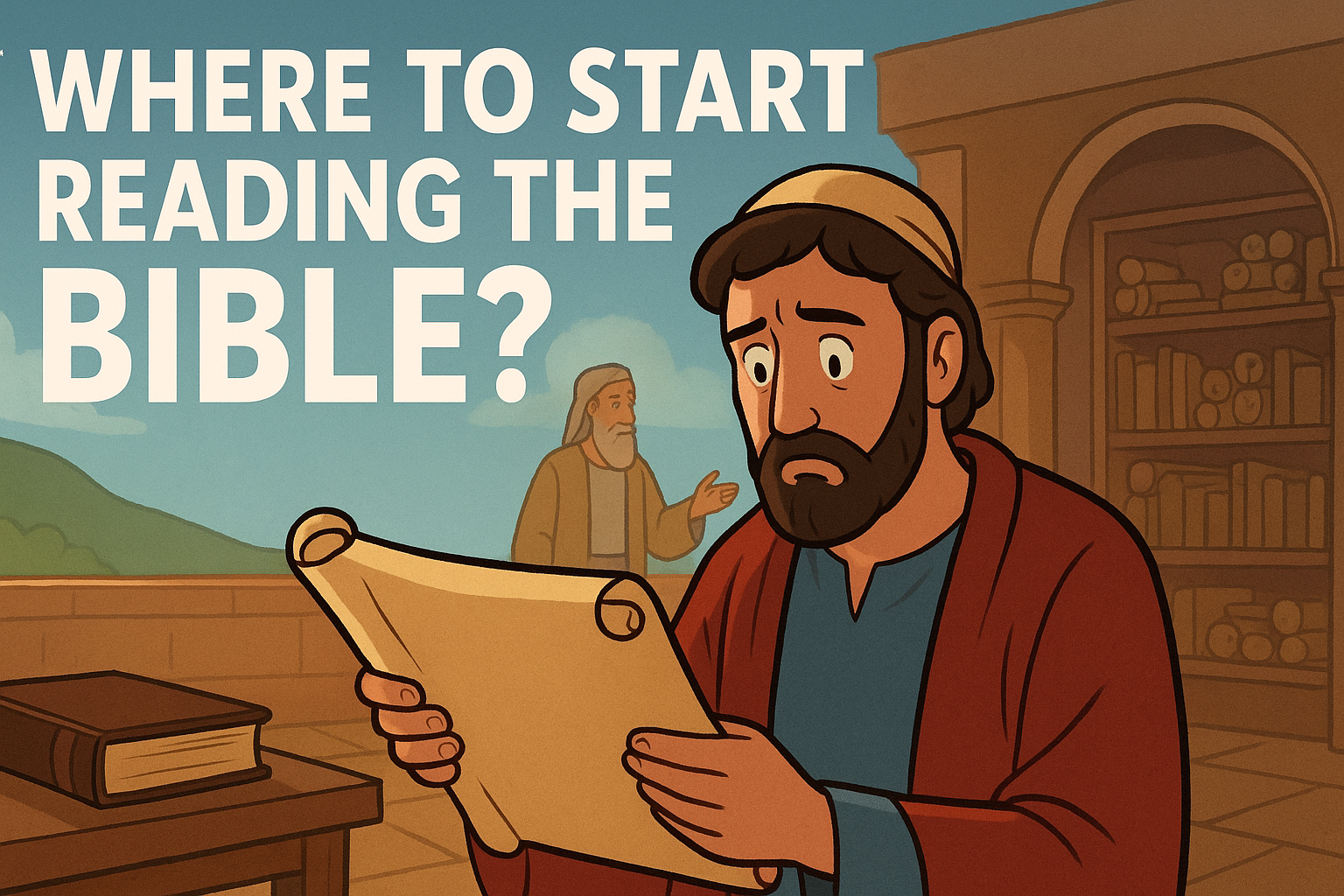
Starting your Bible reading by exploring the life and teachings of Jesus can be a clear and refreshing way to enter Scripture. Many find that beginning with one of the Gospel books helps them connect to the heart of the Bible.
The Gospel of John, for example, offers a unique portrait of Jesus with thoughtful explanations of his divine nature and his love for all people. However, there is no single best method that suits every reader. Much depends on what you hope to learn, your current familiarity with Bible stories, and the guidance of your personal or communal study.
Identifying Your Main Purpose for Reading Scripture
Before you make your first selection, it is helpful to consider why you wish to read the Bible. Are you seeking spiritual growth, historical insight, or both? Many people read the Bible seeking comfort, direction, and a deeper understanding of their personal faith. Others are curious about its teachings on topics such as morality, the origin of the world, and the nature of human existence. For answers to questions about how to study Scripture and find practical advice, you might be interested in resources such as this guide on Bible study.
If your aim is to understand the nature and purpose of life as taught by Scripture, a Gospel account can be an excellent start because these books emphasize the life of Jesus and his message of renewal and hope. Alternatively, if you are more keen on understanding laws, prophecies, and the deep historical background of Israel, beginning with the book of Genesis or Exodus might feel more natural. Reflect on your purpose and choose the section of the Bible that best aligns with your interests and questions.
Beginning with the Gospels: The Heart of the New Testament
The four Gospels provide distinct portraits of Jesus while reinforcing a central message of love and redemption. Each Gospel offers its own style and emphasis. Many newcomers to the Bible find the Gospel of John an inviting choice because it shares clear explanations of who Jesus is and why he matters. Jesus speaks of eternal life, truth, and how to live in an ever-changing world. Reading John can illuminate many of the fundamental questions about faith.
Other Gospels such as Mark and Luke are known for their straightforward narratives and detailed accounts of the events in Jesus life. They narrate his miracles, interactions with people in need, and the steps he took to reveal the kingdom of God. Mark is brief and moves quickly, making it an excellent option when you wish to get an overview of Jesus teachings.
Luke, with its emphasis on compassion and concern for all people, provides remarkable details about early Christian communities and how the teachings of Jesus continue to transform lives. If you are interested in a Gospel that also touches on social and ethical issues with compassion, Luke is a logical starting point.
Foundation in the Old Testament: History and Covenantal Relationship
The Old Testament offers insight into the history of Israel, the unfolding of God s covenant, and the foundational promises that set the stage for the New Testament. It contains narratives of creation, deep moral lessons, and wisdom literature that has continued to shape moral philosophy even today. For those curious about how the promises made to Abraham or the laws given to Moses resonate with contemporary faith, the Old Testament is a rich repository.
Some readers choose the book of Genesis as a starting point. Genesis introduces the creation, the early history of humankind, and the origins of Israel as a people distinguished by a unique relationship with God. Important figures from Abraham to Joseph fill its pages with stories that underscore the themes of faith, trust and the eventual hope for redemption.
Reading Genesis can help you appreciate how the narrative of the Bible unfolds. It also provides background that deepens the impact of later revelations concerning Jesus and the early church. The historical context in the Old Testament enriches your understanding of ongoing biblical themes.
Practical Tips for Navigating Biblical Texts
Your Bible reading plan should strive for balance and gradual progression. One recommended technique is to identify a consistent time each day for quiet reflection and reading. This can help turn your Bible study into an established habit. Many find it useful to have a Bible study journal to note thoughts and questions as they occur. This practice can help form a personal dialogue with God s word.
If you feel uncertain where to begin, it may be useful to start with shorter sections of text. In many cases, chapter-by-chapter readings allow you to revisit passages and properly digest the meaning behind them. These readings sometimes lead to personal insights, especially when you spend time reflecting on the teachings and stories in prayer.
Another helpful tool is selecting a Bible translation that is very readable. The New Living Translation offers language that is accessible without sacrificing the depth of the message. This can be particularly useful if you want clarity and an engaging text that invites further reflection without overly complicated language.
Considering a Thematic Approach for New Readers
Instead of following the sequential order of chapters, some readers find it beneficial to explore the Bible by themes. For instance, a study on the themes of grace and redemption might lead you to focus on certain passages that present these ideas vividly. Starting with the Gospel texts may still be the best bet for themes centered on forgiveness and hope. However, you may also find it interesting to explore passages in the Old Testament that foreshadow New Testament teachings about mercy and justice.
If questions arise about issues such as morality or social practices, such as the Bible s stance on societal practices, you can find clarity by comparing related passages. Issues like these are often explored in articles such as this explanation which can serve as follow up material to your main study. By studying them in their respective contexts, you gain a broader view of the Bible s cohesive message.
Approaching the Bible with an Open Mind and Prayerful Reflection
Many experienced readers stress that reading the Bible is best complemented by a prayerful attitude. Inviting God to guide your reading transforms Scripture into a living conversation rather than a historical text set before you. Prayer can center your mind and heart, making it easier to connect ancient wisdom with contemporary challenges.
This mindful approach also applies if you read the Bible individually or as part of a group discussion. Sharing insights with other readers can deepen your understanding while also offering the comfort of community. Constructive conversations may lead to more questions, which in turn guide further exploration of the Bible as an inspired text.
If you are new to this practice, you might look into community groups at your local church or even online discussion boards where various interpretations of Scripture are shared openly. Careful study and mutual respect stand as the hallmarks of a well-rounded Bible study group.
Understanding the Historical and Cultural Context
Many of the Bible s passages were written in highly specific historical and cultural contexts. Knowing some background about a passage can greatly enhance its meaning. Books like Exodus and Psalms offer not only spiritual lessons but also historical accounts that help you make sense of the environment in which they were written.
It can be extremely useful to have a study Bible or accessible commentary at hand that explains references to ancient events and traditions. In addition, resources like this article on the meaning of Scriptural key terms might enrich your understanding of text that originally spoke to people in a very different time and place. Such tools allow you to learn why certain phrases or customs appear repeatedly, helping you understand the broader narrative.
Customizing Your Bible Reading Plan
There is no single Bible reading plan that works for every person. Some like to study from Genesis to Revelation in order. Others choose a plan that focuses on the teachings of Jesus in the Gospels or parts of the Old Testament that connect with later biblical themes. The most important aspect is to remain consistent and to choose an approach that suits your personal interests and spiritual needs.
You may start with a daily reading plan that alternates between passages in the New Testament and Old Testament. This can provide a balanced understanding of how the biblical story unfolds from creation, through the times of Israel and the prophets, to the ministry of Jesus and early church teachings. If you choose this method, you will see how the promises of God are developed gradually and interconnected throughout Scripture.
Another approach is to focus on books that present moral teachings and wisdom, such as Proverbs and Psalms. These books provide practical lessons for living and offer comfort during difficult times. The poetic or proverbial language used in these texts can speak clearly to questions about ethical living and personal growth.
Exploring Different Perspectives on Which Sections to Read
Different Christian traditions place emphasis on various parts of the Bible. Some readers might prefer starting with the Old Testament to better understand the roots and background of the New Testament narratives, while others may focus primarily on the New Testament for its clear teachings about salvation and the love of God. Denominational differences sometimes bring forward diverse paths in Bible study discussions, yet a common thread remains: all parts of the Bible work together to tell one cohesive story.
This means that while the Gospel of John may be an excellent entry point for some because of its deep theological reflections and accessible narrative, it is equally valid if you decide to start with Genesis or Exodus. Each path offers its own insights, and as you advance, you will eventually see the connections between the stories, prophecies, and the teachings of Jesus. For those interested in the broader theological perspective, researching how early Christian writings interacted with Jewish traditions might reveal much about the Bible s enduring impact.
Linking Life Questions to Biblical Teachings
Many people read the Bible seeking answers to life questions such as the nature of forgiveness, the reason for suffering, and the demand to live morally upright lives. The Bible does not shy away from difficult questions. Start with sections that resonate with your current experiences. For example, if you struggle with issues of forgiveness or acceptance, the compassionate chapters in Luke can provide both comfort and challenge to transform your heart.
The Bible s narratives also often speak to questions of justice and personal integrity. Exploring these themes in the context of biblical history may eventually lead you to appreciate how old and new testament themes interconnect over centuries. In your search for answers, always consider how biblical stories offer both immediate relevance and long lasting truths.
Advanced Guidance and the Connection with Biblical Study Tools
Once you have familiarized yourself with some key passages or books, consider deeper study using available guides, Bible dictionaries, or commentaries. Enhancing your Bible study with scholarly insights can answer lingering questions about historical context or the intended meaning behind difficult passages. Tools that answer questions concerning topics such as the creation narrative provide insight into how different eras understand theological concepts. If you are curious about matters like these, reading articles that discuss the Bible s approach to science and history may be very rewarding.
For instance, debates on topics including the age of the earth often benefit from reading both the biblical text and accompanying scholarly work. In this case, you may also explore resources that explain the perspectives found in the Bible concerning history. This process can lead to a more well rounded understanding of how faith and academic inquiry inform one another.
Embracing a Dynamic Reading Experience
Your initial Bible reading experience is not fixed in one method. As you grow more comfortable with Scripture, you may wish to alternate between complete reading plans as well as thematic studies. At some times you might choose to revisit certain passages and at other times you may explore a new book that challenges your current views.
The dynamic nature of Bible reading means that each encounter with the text can offer new insights. While the Gospel of John may have provided a starting point, you will find that returning to it after studying other parts of the Bible can offer fresh perspectives on familiar verses. As you continue reading, you may also explore practical issues in Scripture and discover how they apply to modern life. Articles like this discussion on contemporary ethical questions may further guide your understanding of how ancient texts speak into modern debates.
The Value of Community and Mentorship in Bible Reading
It is common to experience moments of confusion or difficulty when beginning your Bible reading. Engaging with a community of fellow readers or seeking guidance from a trusted mentor can make the process more enriching. Attend local Bible study groups or join online communities where you can ask clarifying questions and exchange insights with others. These interactions help to highlight the practical value of the Bible and embed its teachings in everyday life.
Learning in community also reminds you that even experienced readers find new meanings in the text each day. Sharing the excitement of discovering a passage once again or the relief in understanding a complex chapter can spark deeper discussions and mutual encouragement. As you build relationships with those who share similar interests, you may find that your Bible study transforms into a meaningful dialogue about faith and life.
Preparing for a Lifelong Engagement with Scripture
Starting your Bible study with the Gospel accounts provides you a platform to understand the love and promise of salvation. Yet, commitment to reading the Bible is a lifelong pursuit. New insights often emerge as you live the principles outlined in Scripture. Whether you commence with the historical narratives in Genesis or the reflective prose of Psalms, every book of the Bible contributes to an evolving picture of faith.
Over time, your Bible reading may shift from an academic or introductory exercise to a deep personal exploration of your relationship with God. This transformation often occurs gradually as ongoing reflection, community support, and prayer enrich your understanding and experience of the Bible. A willingness to revisit previous sections can often unlock fresh layers of meaning that were not apparent in earlier readings.
To sum up, consider starting your Bible study by reading the Gospel of John or one of the synoptic Gospels such as Mark or Luke if you desire a focused introduction to the teachings of Jesus. Alternately, beginning with Genesis provides a foundational narrative of creation and the early covenant. Each path offers distinct benefits and addresses different aspects of Scripture. By aligning your reading plan with your personal questions and goals, you create an environment where the Bible can speak deeply to your life.
Embracing the Journey of Discovering Scripture
Your approach to Bible reading will evolve. Today you might find comfort in the affirming words of a Gospel account. Tomorrow, the deep wisdom found in the Proverbs may speak directly into your personal circumstances. There is no single answer that suits all readers, and this flexibility is one of the Bible s strengths. Each time you return to its pages, you can learn something new. The Bible remains a living text that continues to illuminate the path of life with lessons that are practical and eternal.
In your search for wisdom and truth, allow yourself to be guided by both the spirit of the text and the support of knowledgeable communities. Over time, as questions arise and hopes renew, you may wish to consult additional articles or resources, such as discussions on how long the earth has existed using biblical references available here. This shows that reading the Bible is only one part of a larger quest for truth and understanding.
May your time with Scripture deepen your faith and broaden your view of the amazing story presented in the Bible. There is joy and wisdom to be found in every sentence, greeting each chapter as a stepping stone to a richer conversation with God.